DOJ moves to overturn Jan. 6 sedition convictions in major legal reversal
04/17/2026 / By Willow Tohi
- The U.S. Department of Justice has moved to vacate the seditious conspiracy convictions of key Proud Boys and Oath Keepers members related to the January 6 Capitol attack.
- The motions, filed in April 2026, represent a major reversal from the Biden-era prosecutions and follow earlier clemency grants by President Donald Trump.
- Prosecutors argue the move is a “prosecutorial discretion” decision made “in the interests of justice.”
- The action seeks to formally erase the most serious criminal findings against high-profile defendants, including Ethan Nordean and Stewart Rhodes.
- Critics view the move as an attempt to rewrite the history of January 6, while supporters see it as a correction of overreach.
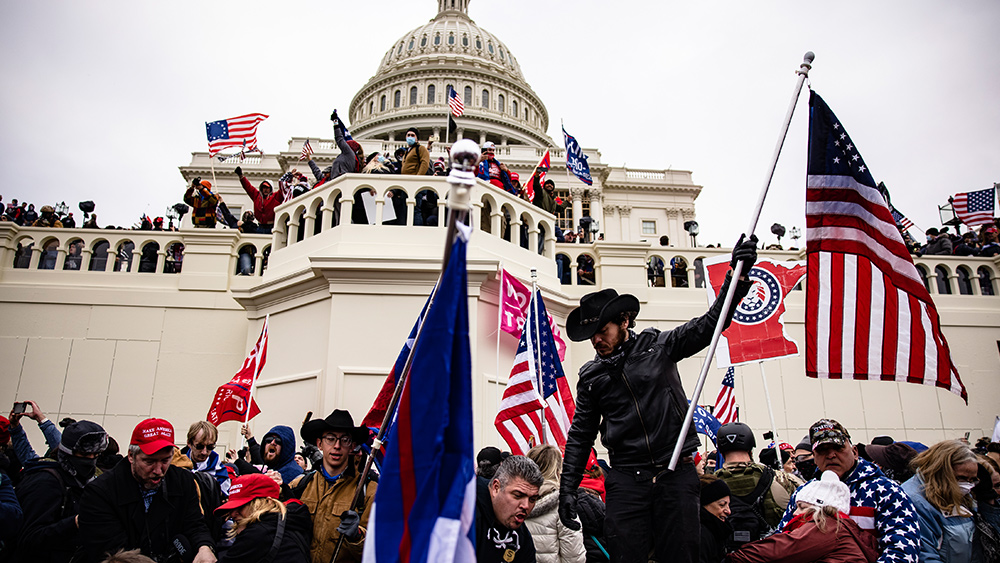
In a dramatic legal about-face, the U.S. Department of Justice has moved to erase some of the most significant convictions stemming from the January 6, 2021, assault on the U.S. Capitol. Federal prosecutors this week asked an appeals court to vacate the seditious conspiracy convictions of prominent members of the far-right Proud Boys and Oath Keepers, groups whose leaders were previously found guilty of plotting to obstruct the peaceful transfer of presidential power. The motions, filed in April 2026 under the Trump administration, mark a profound shift in the government’s posture toward prosecuting the Capitol riot and reignite a fierce debate over accountability, extremism and the historical narrative of that day.
The Prosecutorial Reversal
The filings, signed by U.S. Attorney for the District of Columbia Jeanine Pirro, seek to nullify the convictions of individuals including Proud Boys leaders Ethan Nordean and Joseph Biggs, and Oath Keepers founder Stewart Rhodes. These men were among the highest-profile defendants convicted in the sprawling January 6 investigation, receiving prison sentences ranging from 15 to 22 years for their roles in what prosecutors had described as a coordinated attack on democracy.
The Justice Department stated the motion is “consistent with its practice… where the government has decided in its prosecutorial discretion that dismissal of a criminal case is in the interests of justice.” This action extends beyond the sweeping clemency granted by President Donald Trump in January 2025, which released these individuals from prison. It aims to formally wipe their convictions from the record, eliminating the legal finding that they engaged in seditious conspiracy.
From Landmark Convictions to Clemency
The move represents a stark reversal from the position held by the previous administration. Under President Joe Biden, the convictions were hailed as crucial victories in holding accountable those responsible for the violent attempt to disrupt the certification of the 2020 election. Prosecutors at trial argued the groups acted as “Trump’s army,” with a shared goal of stopping the lawful transfer of power.
Following Trump’s return to office, the administration’s approach shifted fundamentally. The 2025 clemency action freed Nordean, Rhodes, and nearly 1,500 others convicted in connection with the riot. However, the latest legal filing goes a step further by attempting to dismantle the judicial rulings themselves. This aligns with a concerted effort by the Trump administration to reframe the events of January 6, often portraying participants as patriots and protesters who were unfairly persecuted.
The Lingering Shadow of the Attack
The push to overturn these convictions occurs against the backdrop of the attack’s severe physical and human toll. A bipartisan Senate report documented that more than 100 law enforcement officers were injured during the melee, suffering injuries including stab wounds, cardiac events from electroshock weapons, and psychological trauma. Four officers who responded to the attack later died by suicide. The violence resulted in millions of dollars in damage to the Capitol building, a global symbol of American governance.
For critics of the DOJ’s new motion, vacating the seditious conspiracy convictions minimizes the planned, violent nature of the breach. They argue it undermines the judicial system’s ability to address politically motivated violence and domestic extremism. As one injured officer noted, it risks recasting actions that a jury deemed treasonous as mere protest.
Historical Context and National Security Implications
The legal battle over January 6 sits at the intersection of free speech, assembly, and the limits of dissent in a democratic republic. Historically, charges of seditious conspiracy are rare and reserved for the most serious plots against state authority. Their application to the January 6 cases was seen by legal experts as a modern test of the statute’s relevance in addressing organized domestic extremism.
From a national security perspective, the groups involved—the Proud Boys and Oath Keepers—have been designated as extremist organizations by watchdogs like the Anti-Defamation League. The government’s shifting stance on their prosecution sends a signal about how future administrations might prioritize the threat of ideologically motivated violent groups operating within U.S. borders. It raises fundamental questions about whether such events will be prosecuted as unprecedented attacks on constitutional order or adjudicated as large-scale political protests that devolved into criminal riot.corruption
A Chapter Closed or a Precedent Set?
The Department of Justice’s motion to vacate the January 6 sedition convictions is more than a procedural legal step; it is a potent political and historical marker. If granted, it will formally absolve key figures of the most serious charges linked to the Capitol siege, effectively rewriting the final legal chapter for the attack’s principal organizers. This action underscores the deep and enduring national divide over the meaning of January 6, balancing claims of prosecutorial overreach against assertions of necessary accountability for an assault on a foundational democratic process. The appeals court’s decision will not only determine the fates of these individuals but will also influence the long-term narrative of one of the most turbulent days in modern American history.
Sources for this article include:
Submit a correction >>
Tagged Under:
Biden, big government, conspiracy, corruption, deception, DOJ, FBI corruption, January 6, national security, progress, rioters, Trump
This article may contain statements that reflect the opinion of the author
RECENT NEWS & ARTICLES